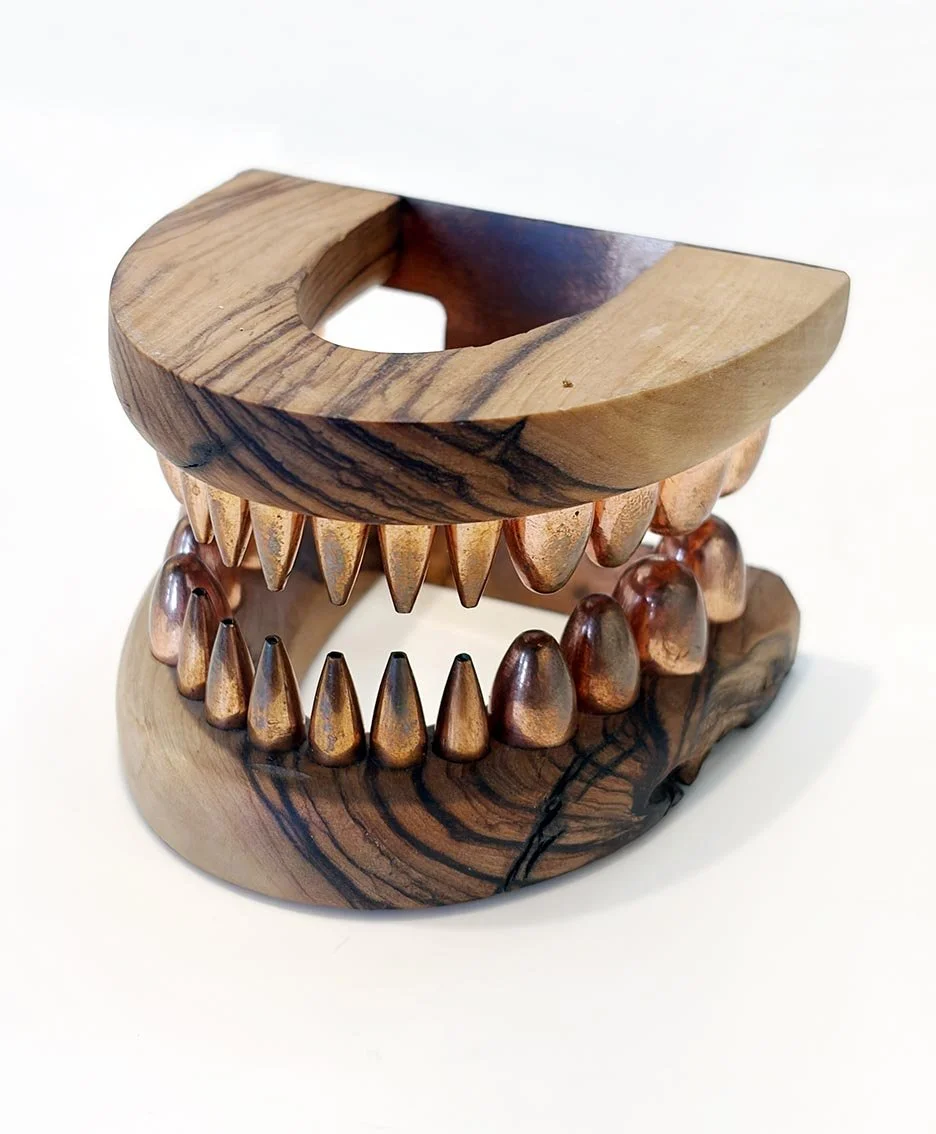
where the light enters
حَيْثُ يَتَسَلَّلُ إِلَيْكَ النُّور
Khaled Jarrar
November 6 – December 13, 2026
Related Programs and Events:
Opening Reception:
Friday, November 6th from 6-8pm
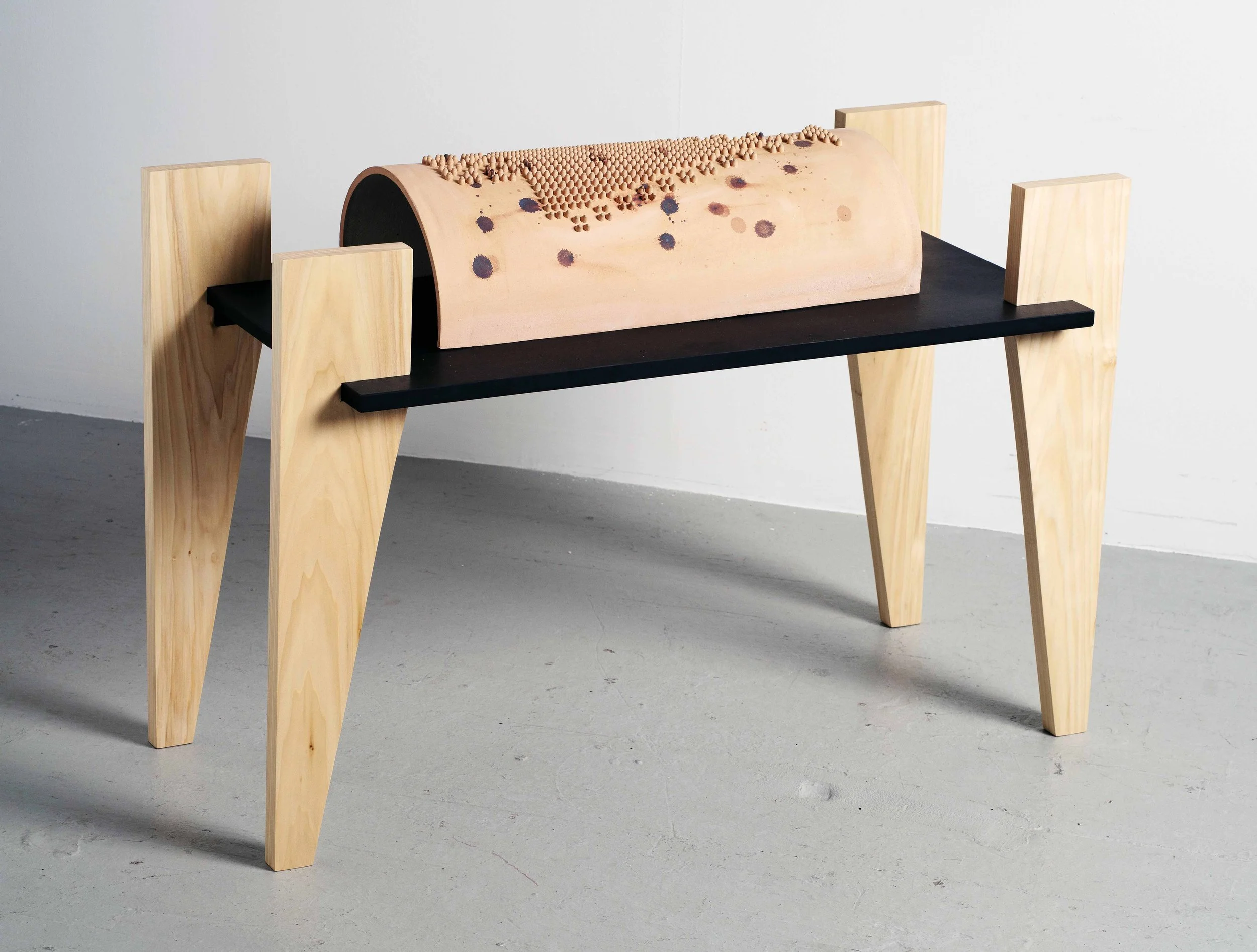
Organized by UVA and The Lost Paintings with support from the Boston Palestine Film Festival, where the light enters حَيْثُ يَتَسَلَّلُ إِلَيْكَ النُّور presents a new body of work by Khaled Jarrar.
Ardh means earth in Arabic. Ardh is an inherently matriarchal concept: a sacred, living entity rather than a commodity to be divided, possessed, and owned. Ardh translates to a plot of land in colonial patriarchal linguistics.
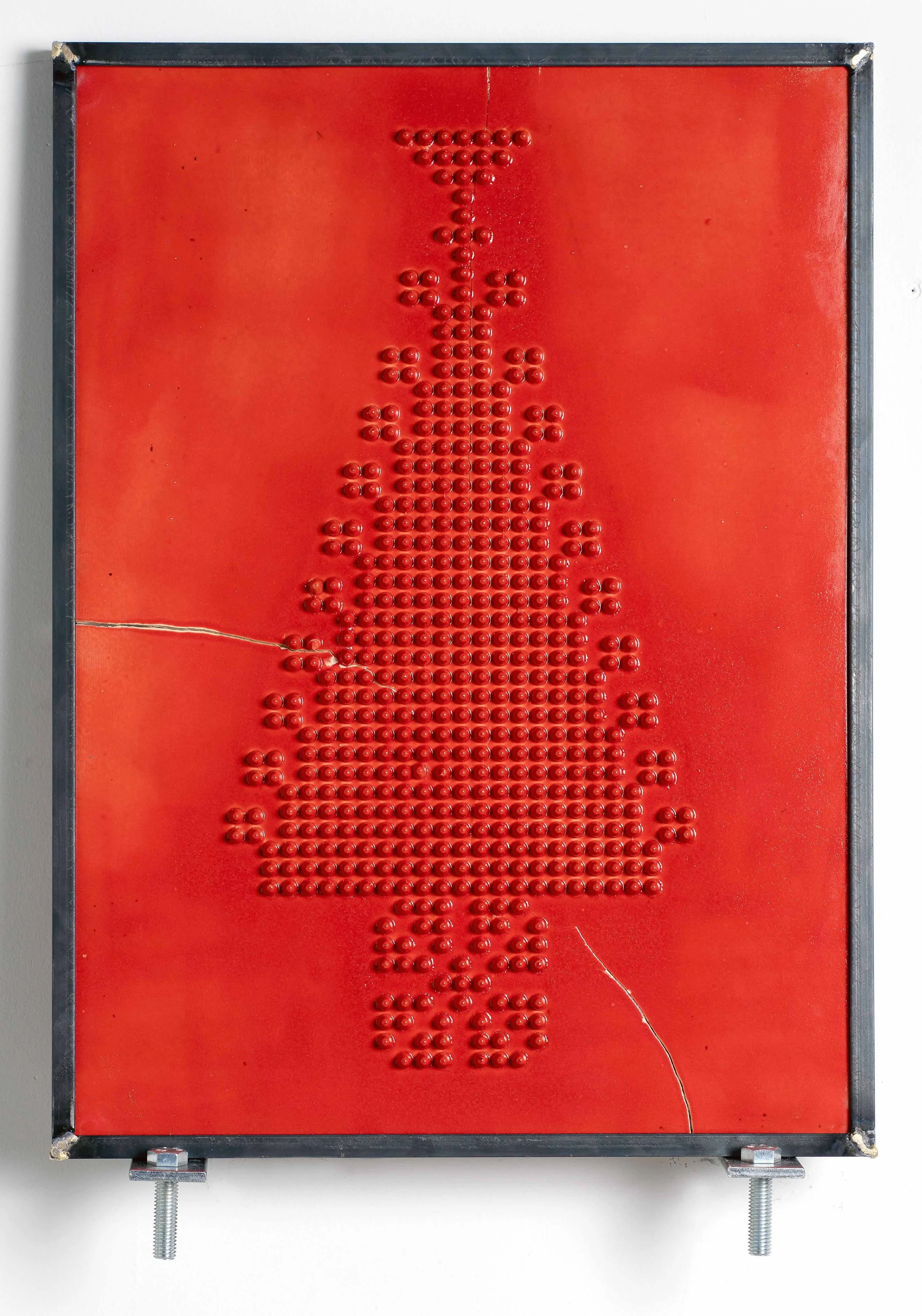
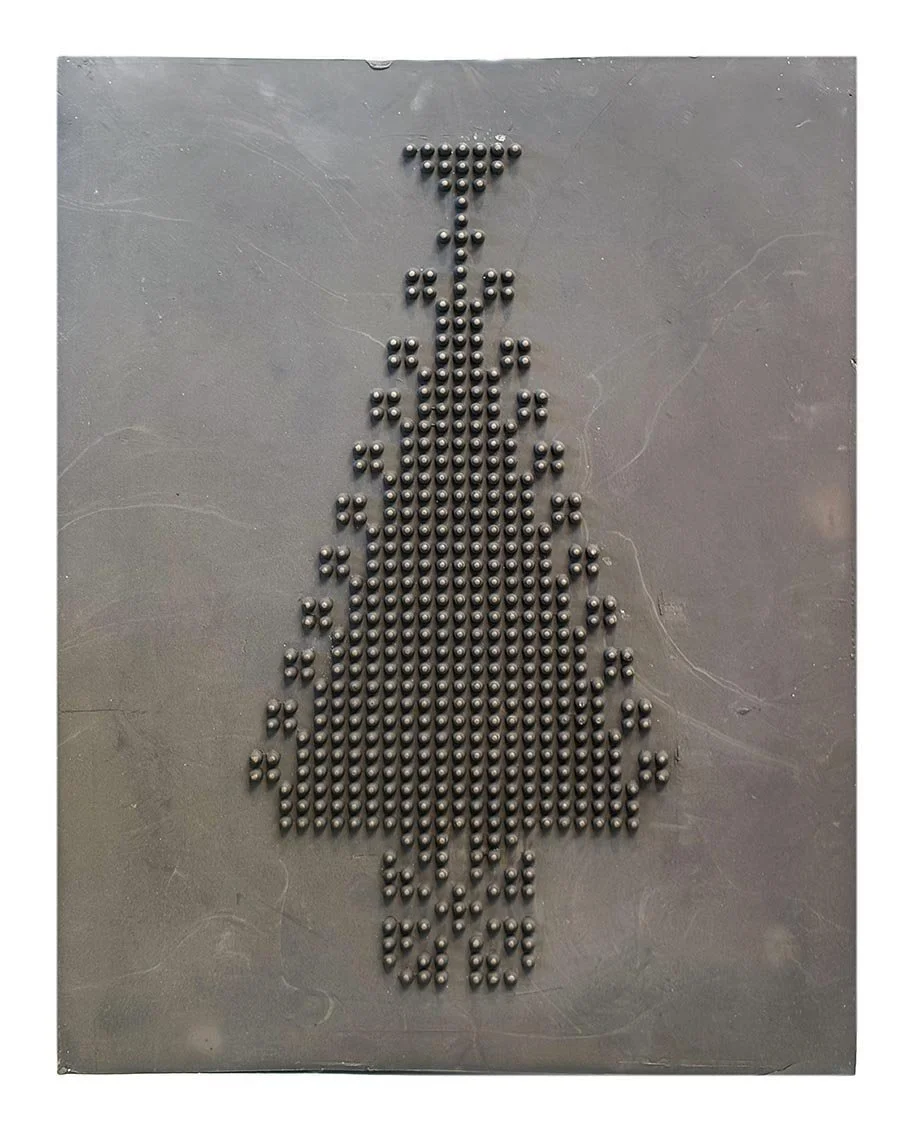
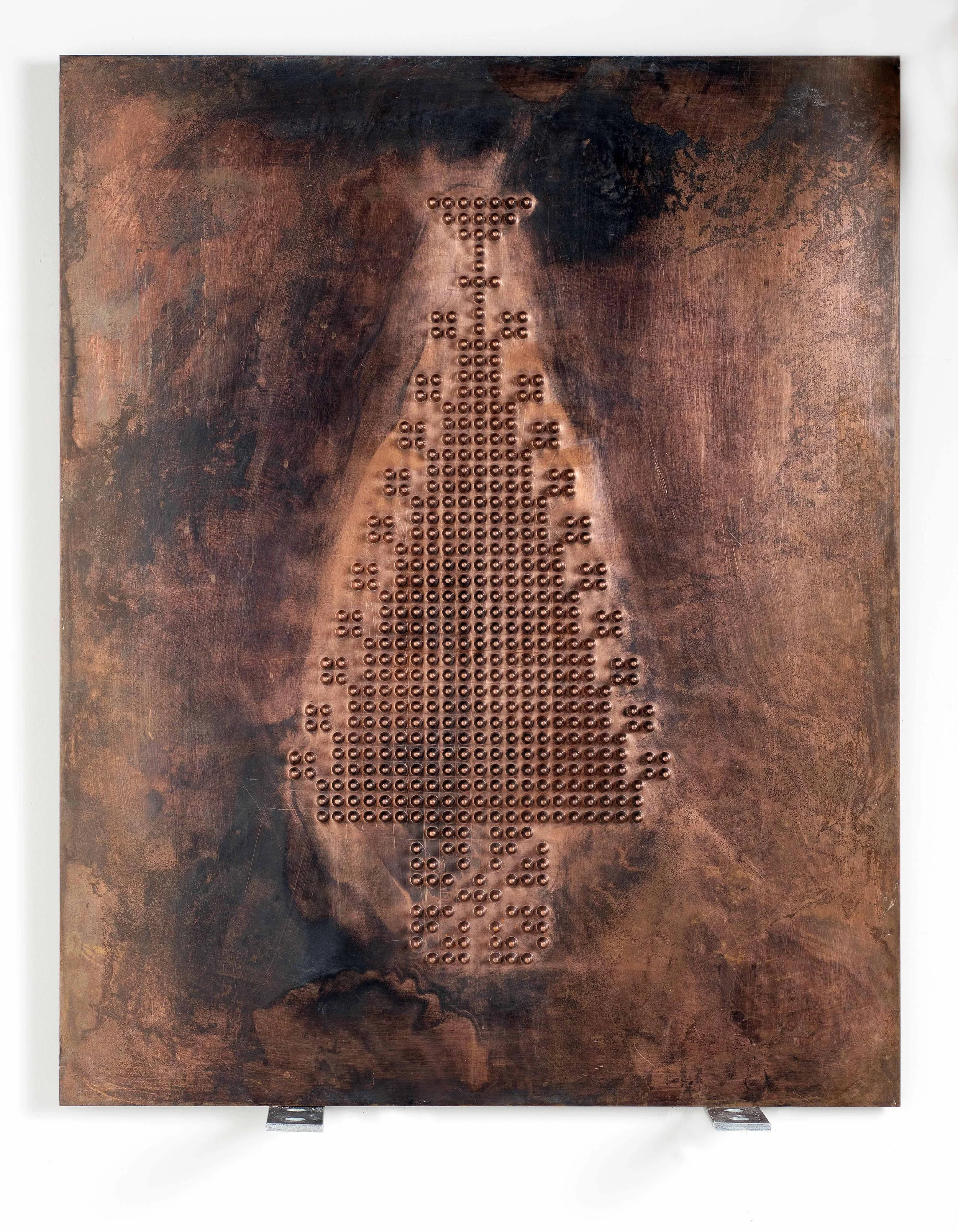
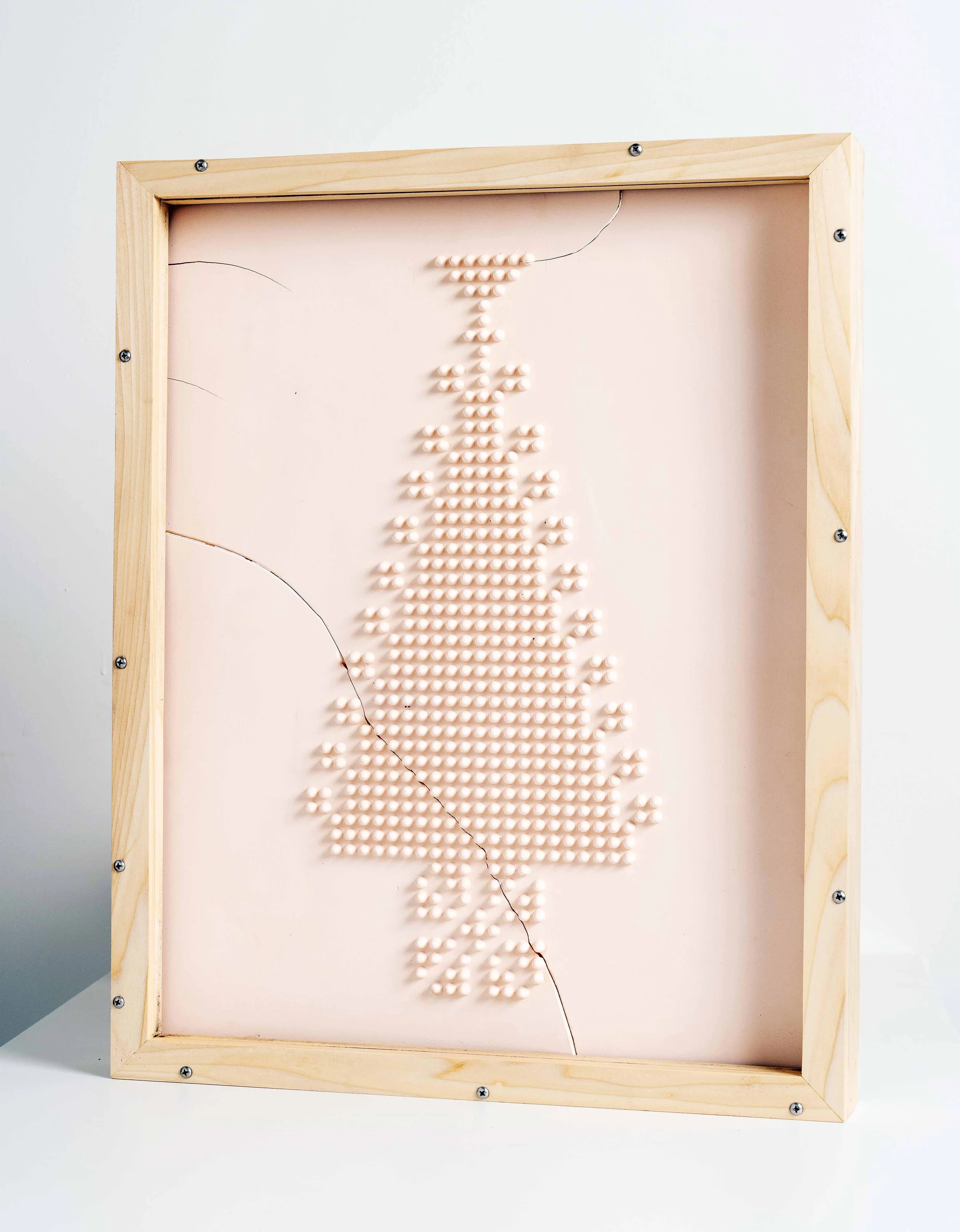
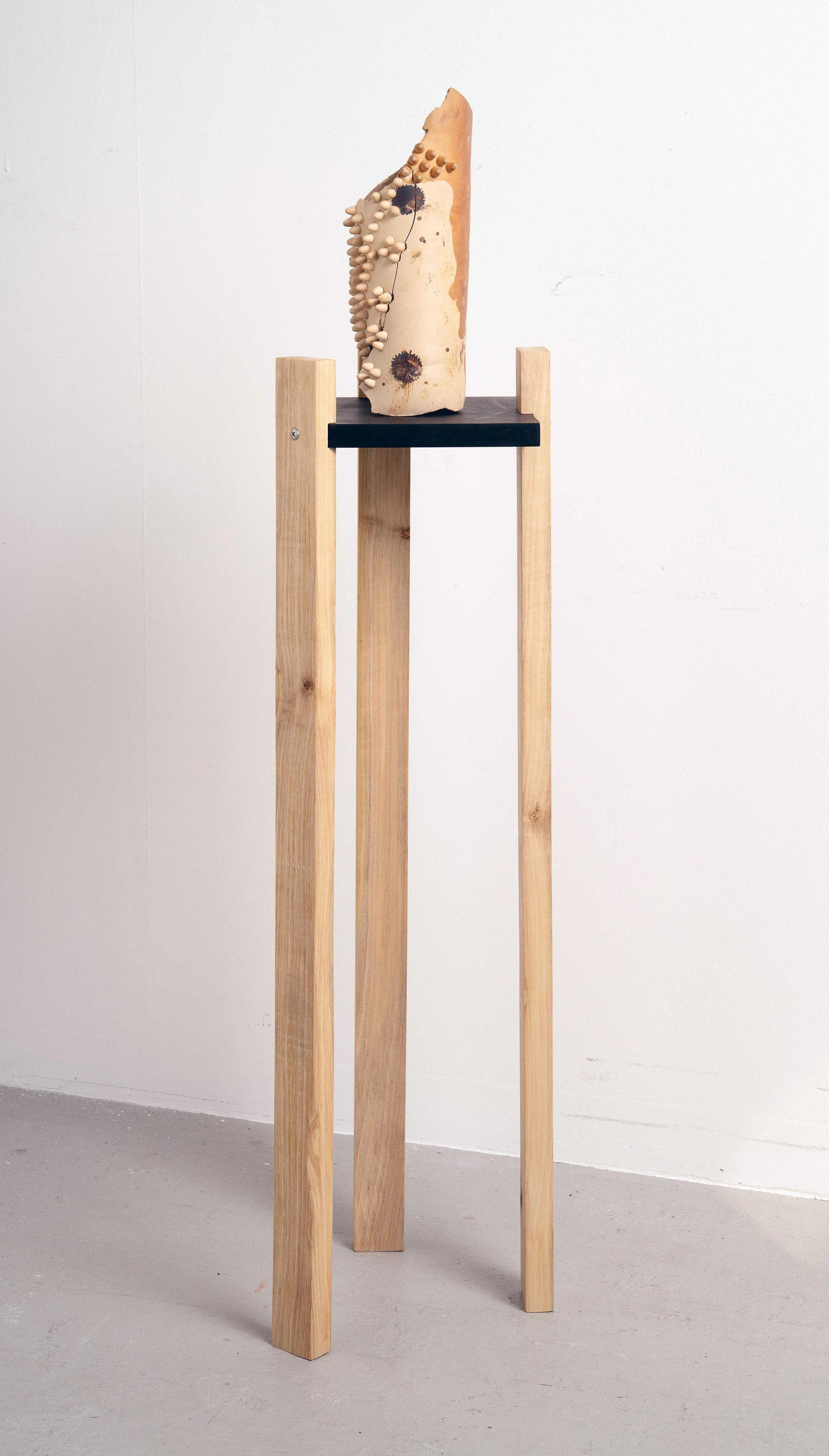
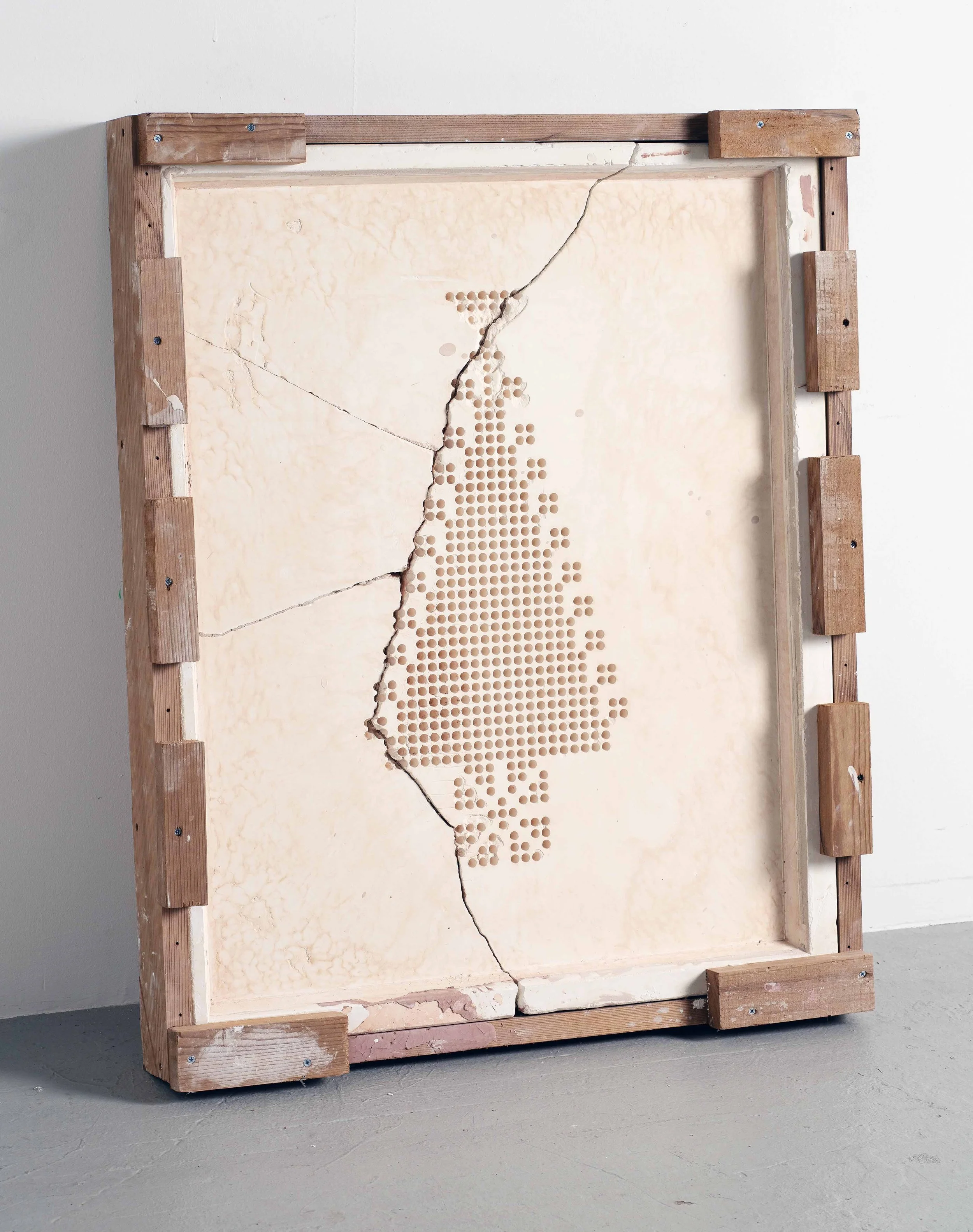
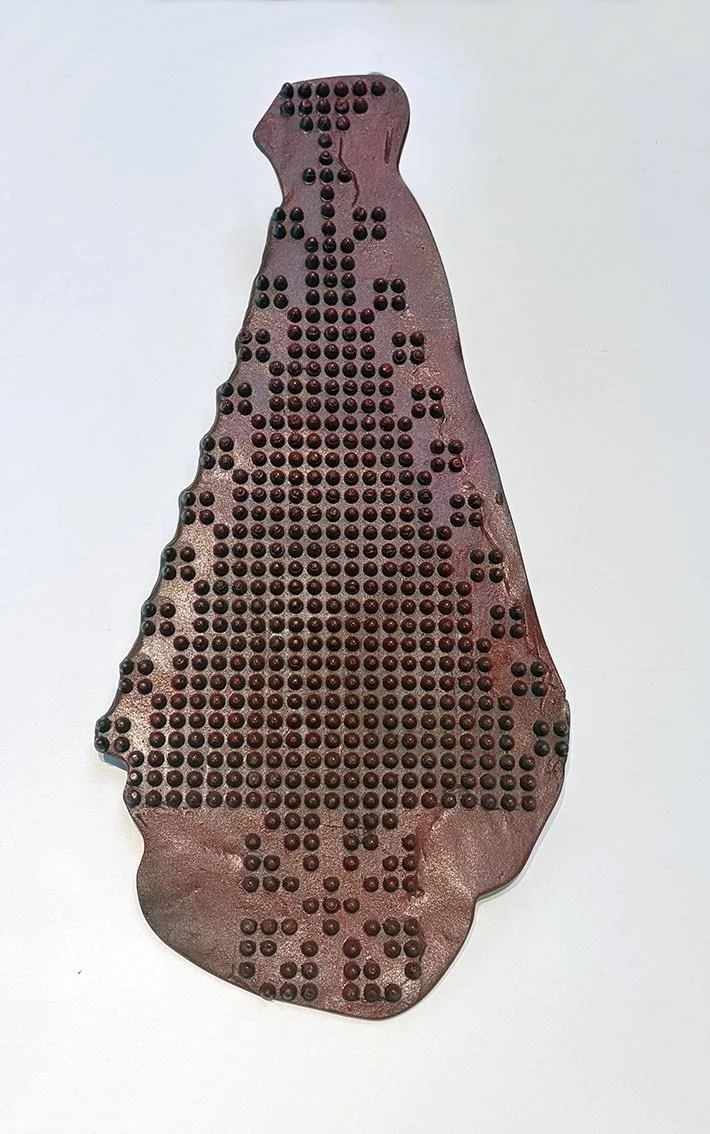
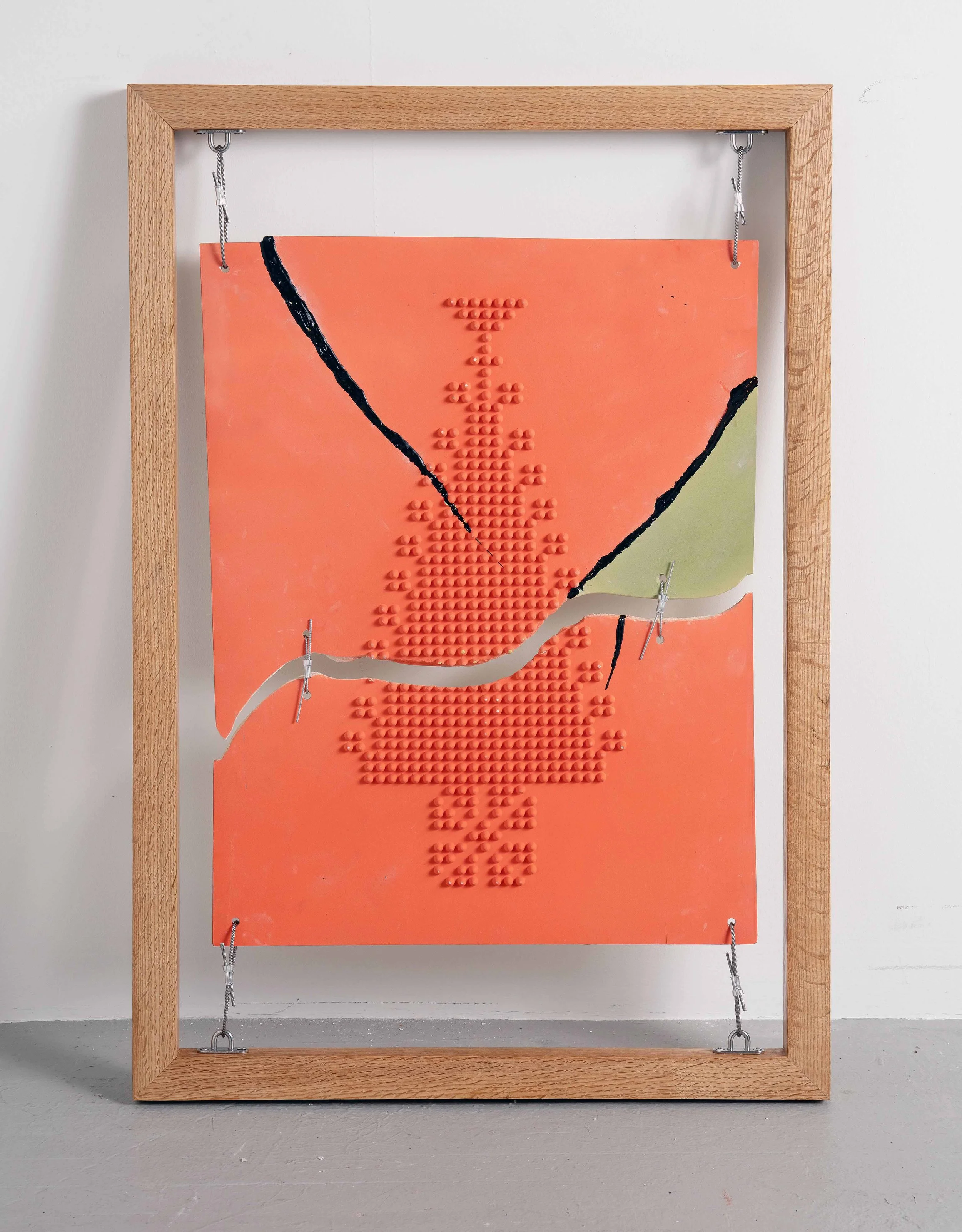
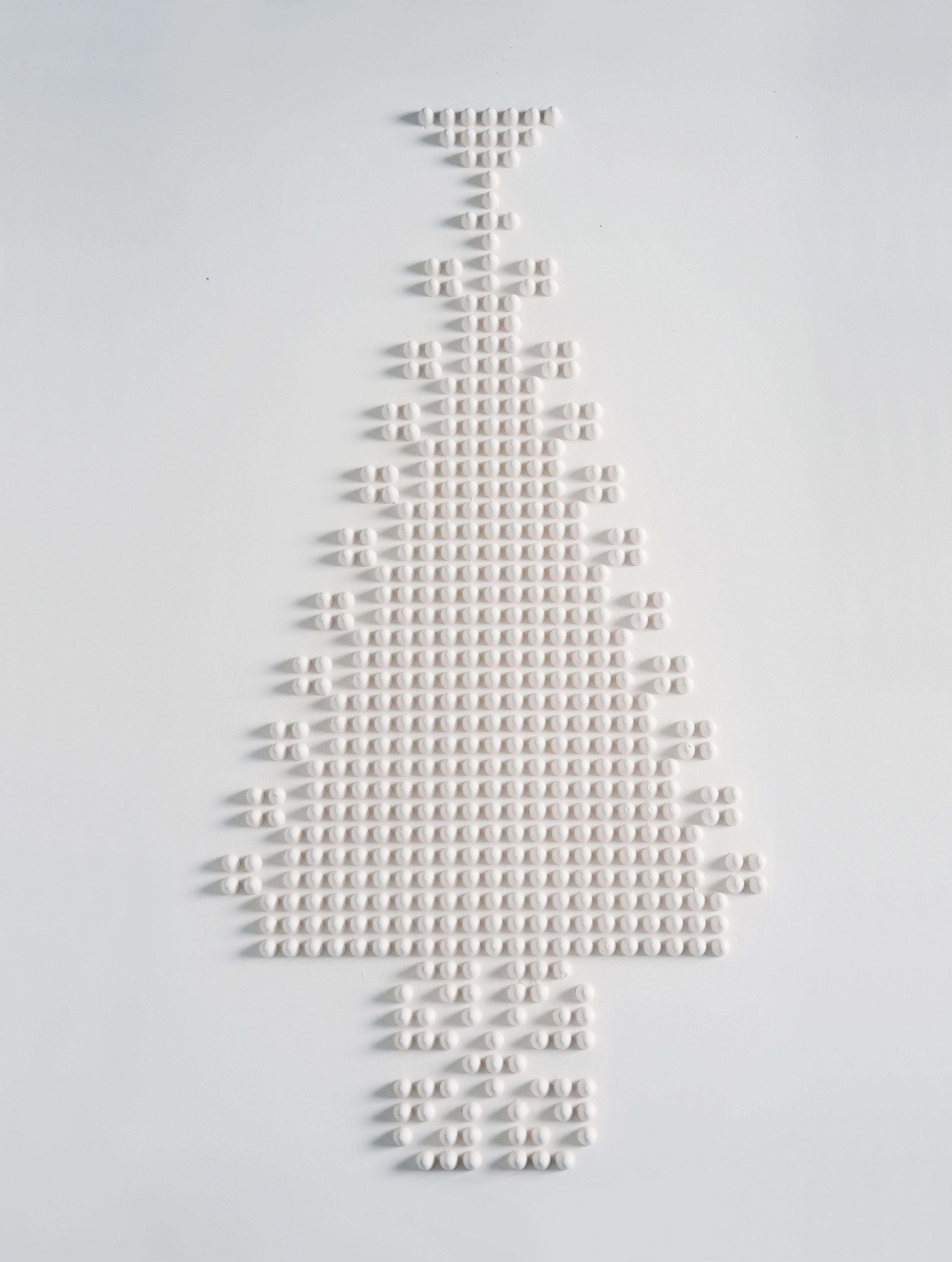
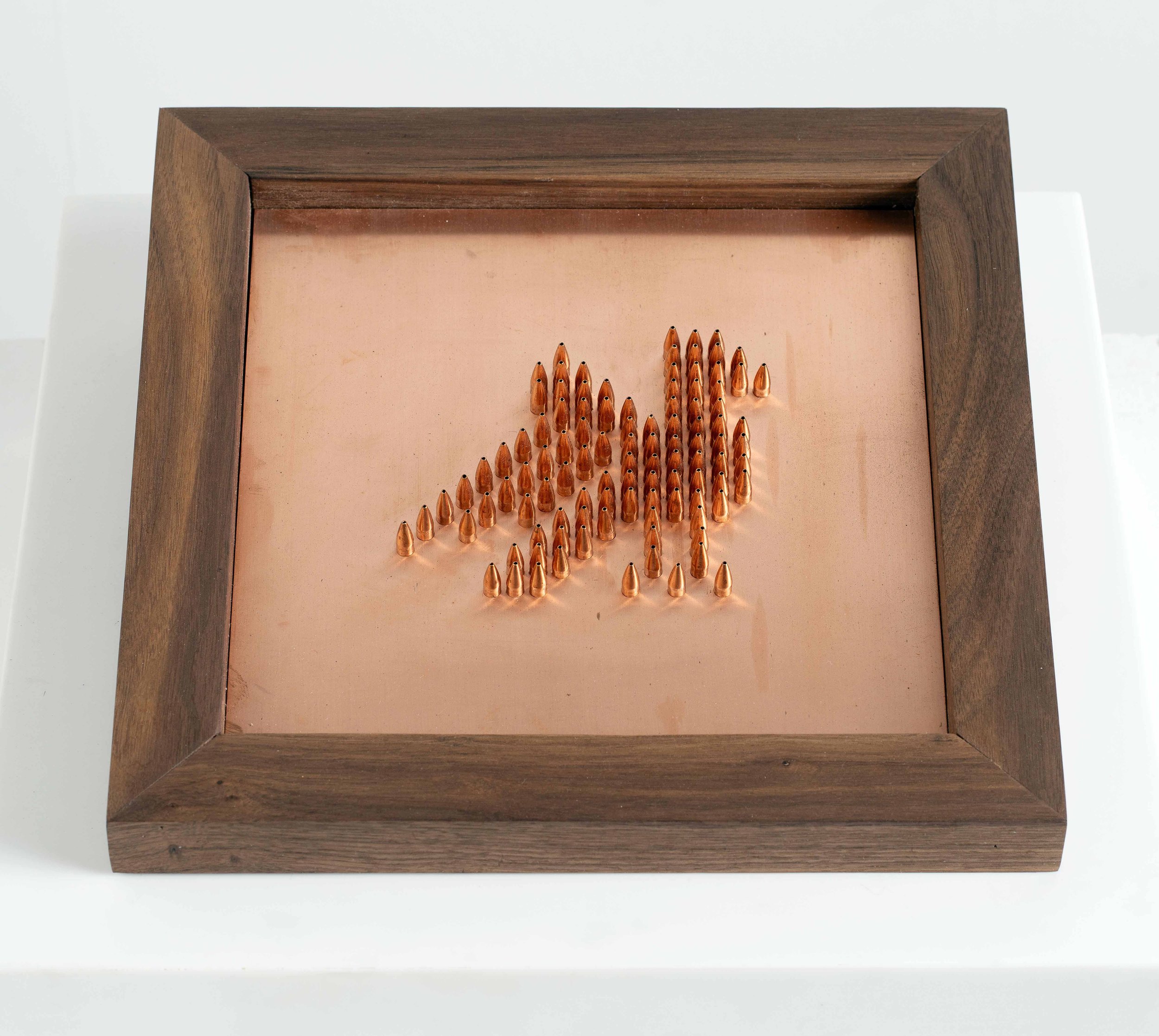
This body of work is composed of the Tree of Life, a bird, water, fire, and susurration. They reference Ishtar, an ancient embodiment of Matriarchal wisdom, the Goddess, while drawing upon a wider symbolic language through which the human body and the earth—Ardh—are understood as interconnected. Arranged into grid patterns, the bullet—both weapon and phallic object—evokes patriarchy and colonialism: forces imposed upon the Ardh and upon the people fundamentally connected to it.
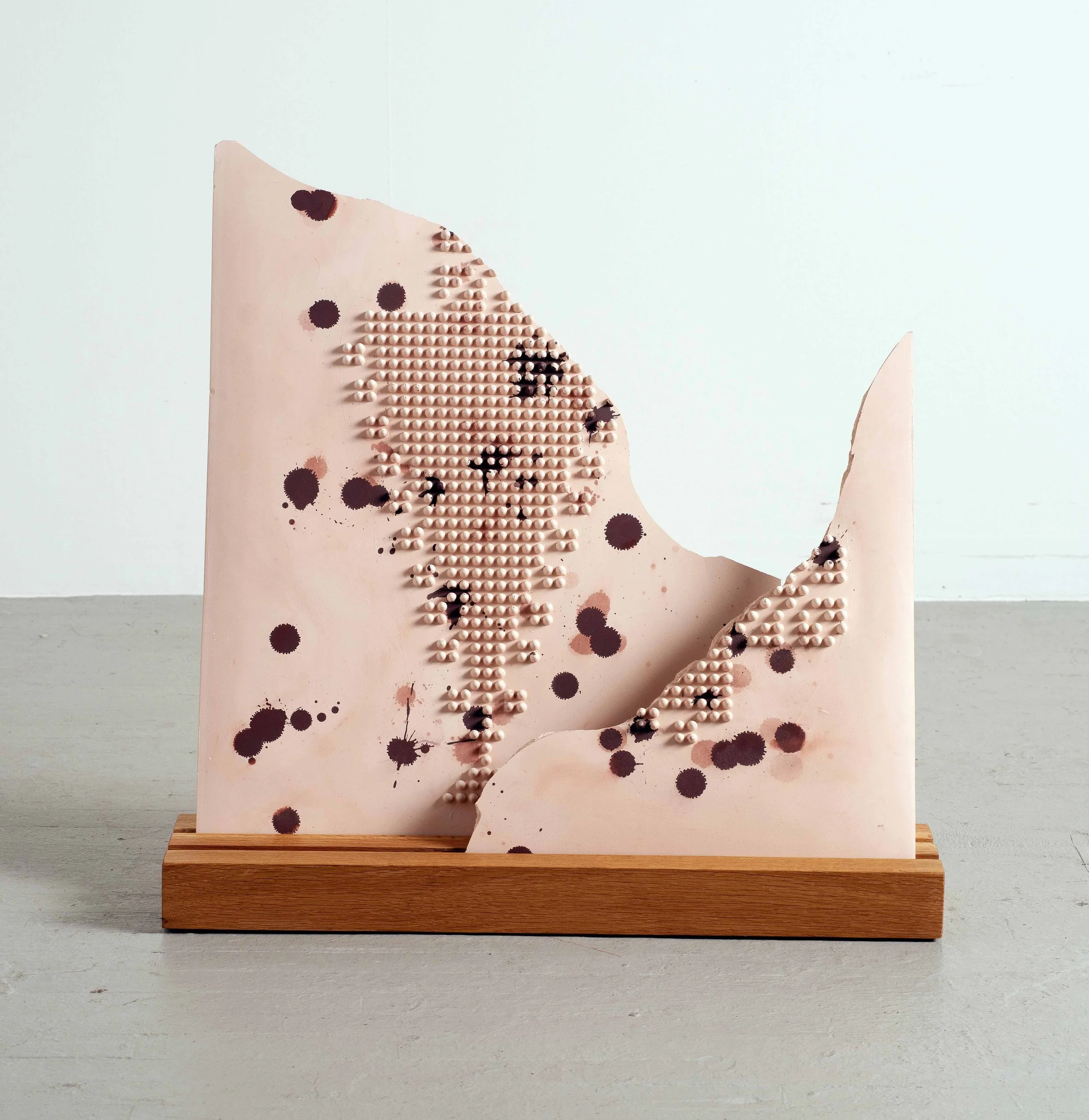
Clay connects these works to the Tree of Life, but also to archaeology. Ancient ceramic objects have long been used to reconstruct histories and make claims about the past. Yet archaeology, despite its supposed objectivity, can also become ideological: a means of legitimizing one people’s historical claim to land over another’s. Sacred objects are similarly displaced from their original meanings and transformed into commodities—excavated, collected, bought, sold, possessed and looted.
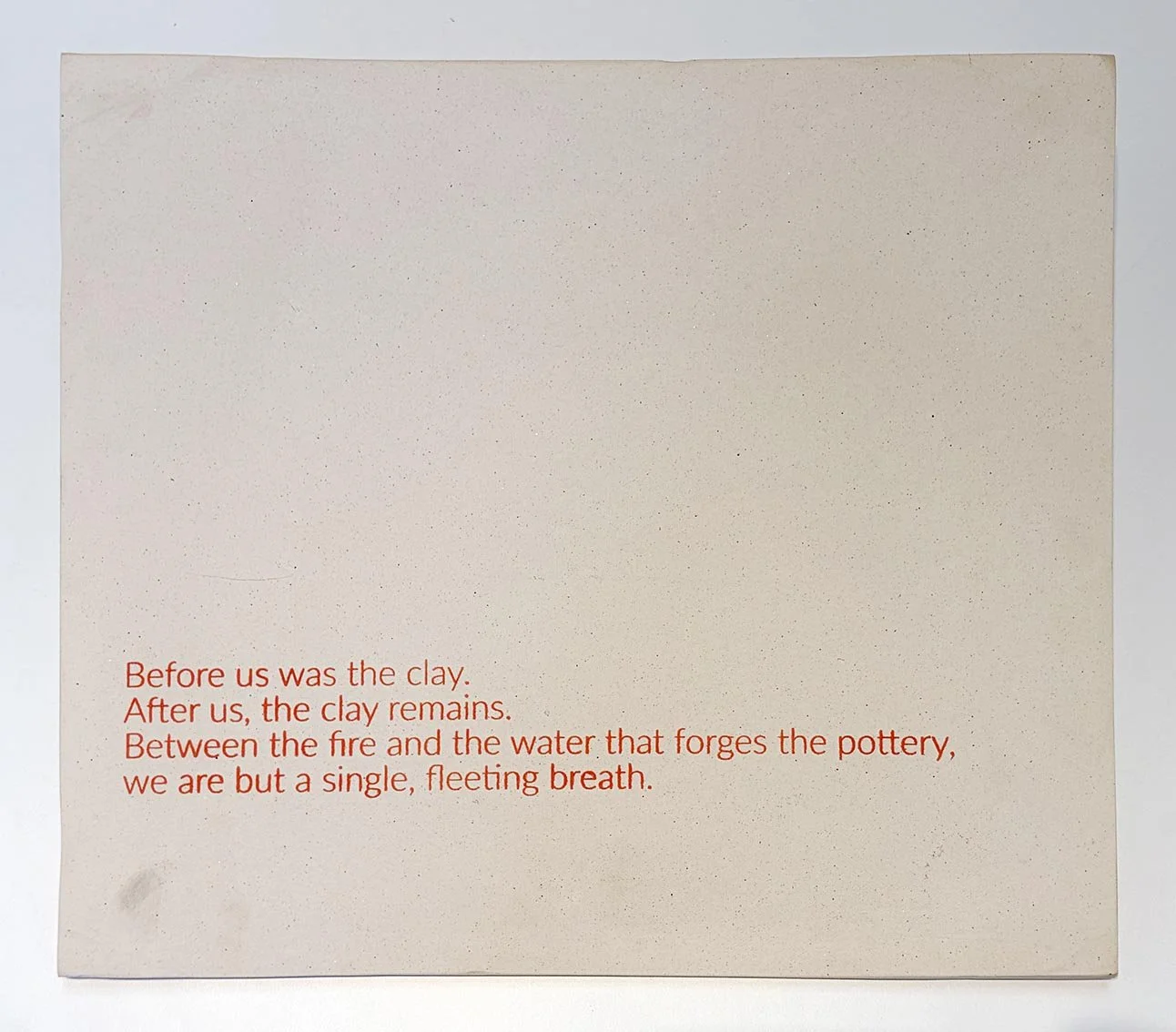
Against this, I understand clay as something embodied. There is a spiritual relationship between pottery and the human form: we, too, are made from earth. The objects I make are fragile, yet they belong to a lineage of clay objects that have endured for millennia. They survive their makers and as witnesses, become material manifestations of time. We live in a time of rapid displacement and the systemic uprooting of life. As my voice ripples through the wet clay, cracks form where the light enters, morphing the wounded into monuments of ecological resilience.
These are orange, pomegranate, fig, and olive trees. Within this Ardh, the ancient medium of clay becomes a living archive of what it means to persist. The landscape refuses rigid hierarchies and instead follows the mycelium wisdom. Roots do not descend in orderly lines. They tangle, spread, cross, and connect the sculptures to one another.
There is play in this wandering, but the play is tactical. It resists the fragmentation and imposed order of the contemporary world, the Ardh is therefore both archive and proposition: a testament to the necessity of nourishing and protecting our Ardh, Ancestral Wisdom, Earth Mother — “the wound is the place where the light enters you.”
— Jarrar
Born and raised in Jenin-Ramallah, occupied Palestine, currently living in NYC. Khaled Jarrar is an artist whose career transitioned from the military discipline to a subversive art practice. His work is deeply rooted in his personal history and the lived reality of the West Bank. Jarrar uses diverse mediums including photography, sculpture, and performance art to highlight the complexities of life under occupation and the weight of sovereign identity. One of his projects include up-cycled concrete sculptures made by physically chiseling fragments from the apartheid wall and morphing them into pop art objects, to purchasing a land with 56 olive trees, all which reclaim cultural endurance as a means of liberation, liberating the land (Ardh) from toxic synthetic fertilizers using black goat manure.
For inquiries, please contact info@unboundvisualarts.org